E-mail: [email protected] Whatsapp: +8613647327093 Tel: +86-731-8403-0163
E-mail: [email protected] Whatsapp: +8613647327093 Tel: +86-731-8403-0163
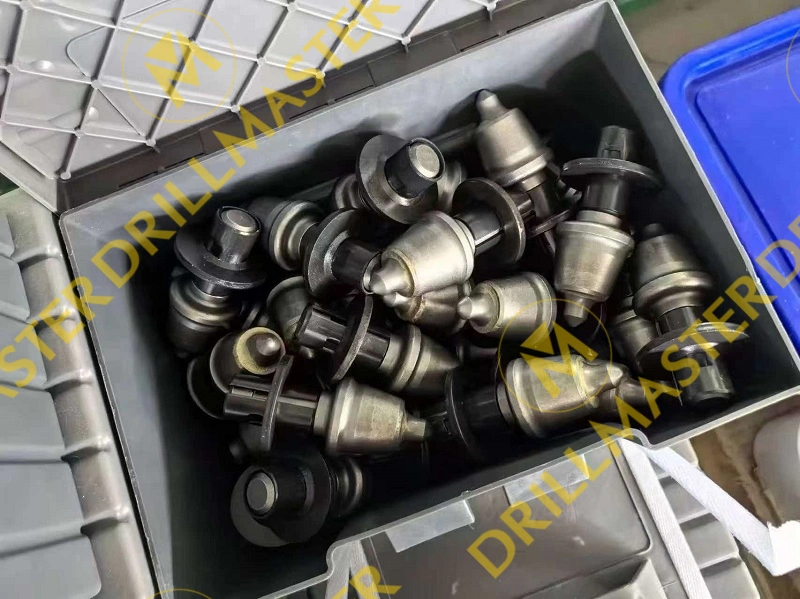
A milling pick is a replaceable cutting tool installed on a milling drum, milling roller, or other rotary cutting equipment. It is used to cut, scrape, strip, and break materials such as asphalt, concrete, rock, and coal.
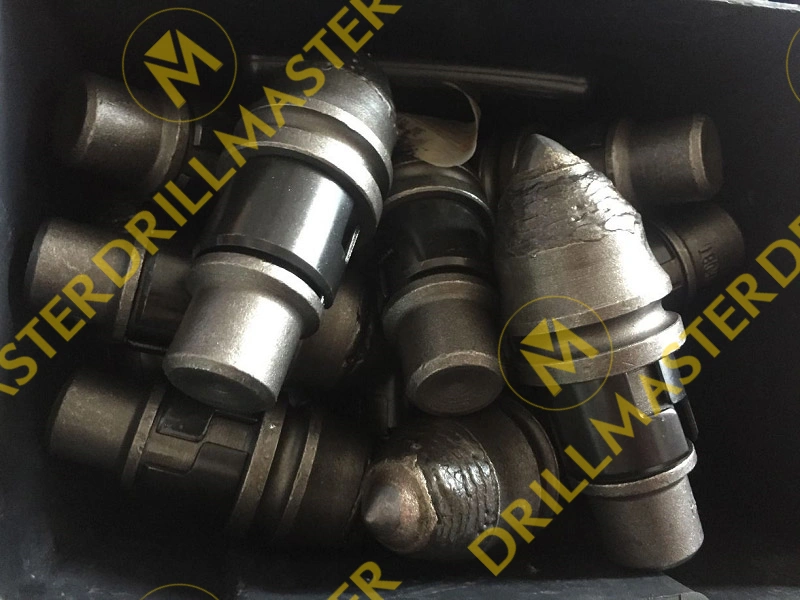
Bullet Teeth in Pile Drilling are replaceable cutting components installed on foundation drilling tools such as drilling buckets, drilling augers and core barrels. They are primarily responsible for directly cutting into, shearing, crushing, and breaking soil or rock formations during pile drilling.
1. Cutting Method
Milling picks primarily use the tooth tip to continuously scrape and mill the material as the equipment moves.
For example, during pavement milling:
Milling drum rotates → Tooth tip contacts the pavement at high speed → Tooth tip penetrates the material → Material is scraped and broken → Milled material is discharged
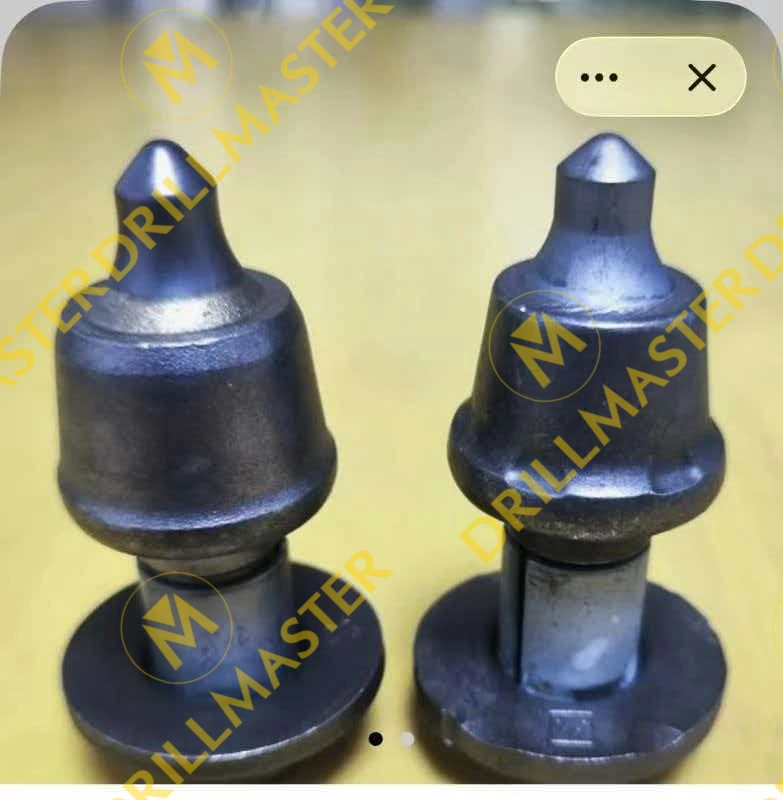
Therefore, milling picks generally place greater emphasis on:
- High-frequency cutting
- Wear resistance
- Cutting-edge sharpness
- Suitability for continuous cutting
- Stability at high rotational speeds
By contrast, Bullet Teeth in Pile Drilling typically operate on rotary drilling rigs through a combination of rotation and axial down pressure to cut or break the formation.
For example, during rock and soil drilling:
Drill string rotates + axial pressure is applied → Cutting teeth penetrate the soil/rock → Shearing, crushing, and breaking → Cuttings enter the drilling bucket
Therefore, Bullet Teeth in Pile Drilling place greater emphasis on:
- Penetration capability
- Impact resistance
- Bending resistance
- Adaptability to different ground conditions
- Tooth holder strength
- Performance under high torque, low rotational speed, and heavy loads
2. Working Parameters
| Comparison | Milling Picks | Bullet Teeth in Pile Drilling |
| Typical equipment | Road milling machines, mining equipment, etc. | Rotary drilling rigs, drilling buckets, core barrels, etc. |
| Main movement | High-speed rotation / continuous milling | Low-speed rotation + axial pressure |
| Main function | Milling and scraping | Cutting, crushing, and breaking |
| Load on individual tooth | Relatively lower but frequent | Generally much higher |
| Impact conditions | Depends on the application | Frequently present |
| Key considerations | Wear resistance and cutting efficiency | Strength, impact resistance, and penetration capability |
| Typical materials | Asphalt, concrete, rock, etc. | Soil, sand, gravel, weathered rock, hard rock, etc. |
Milling and scraping Cutting, crushing, and breaking
In rotary pile drilling, in particular, the load acting on an individual cutting tooth can be extremely high. When drilling through gravel layers, strongly weathered rock, or even hard rock, the tooth tip may be subjected to axial force, tangential force, and impact loads simultaneously.
3. Tooth Design
Milling picks typically feature a relatively characteristic conical or bullet-shaped carbide tip. This design allows the tooth tip to continuously roll and cut into the material during high-speed operation.
By comparison, Bullet Teeth in Pile Drilling are available in a wider range of designs, including:
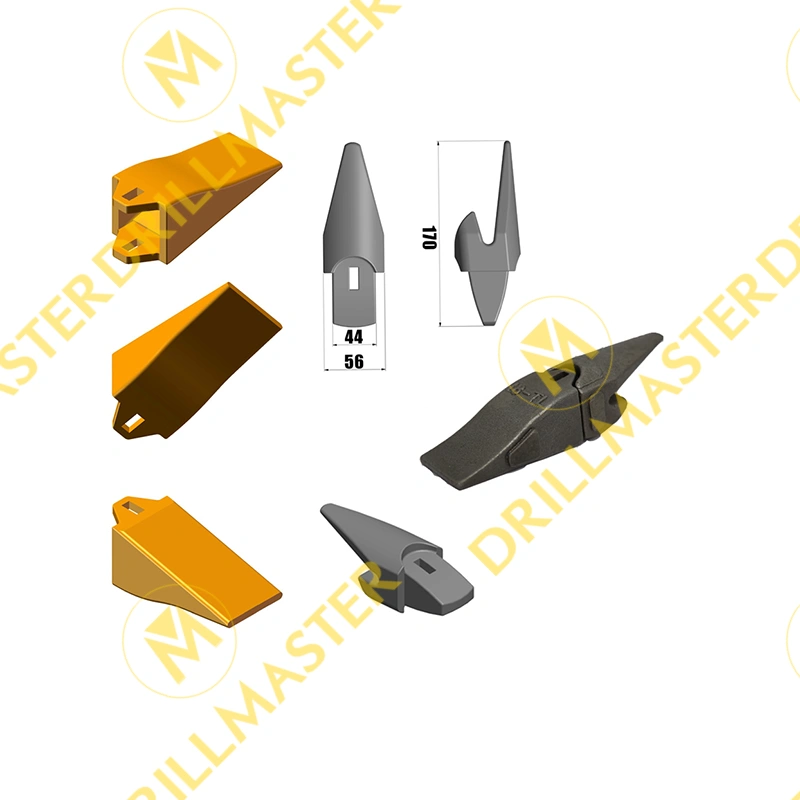
- Bullet teeth
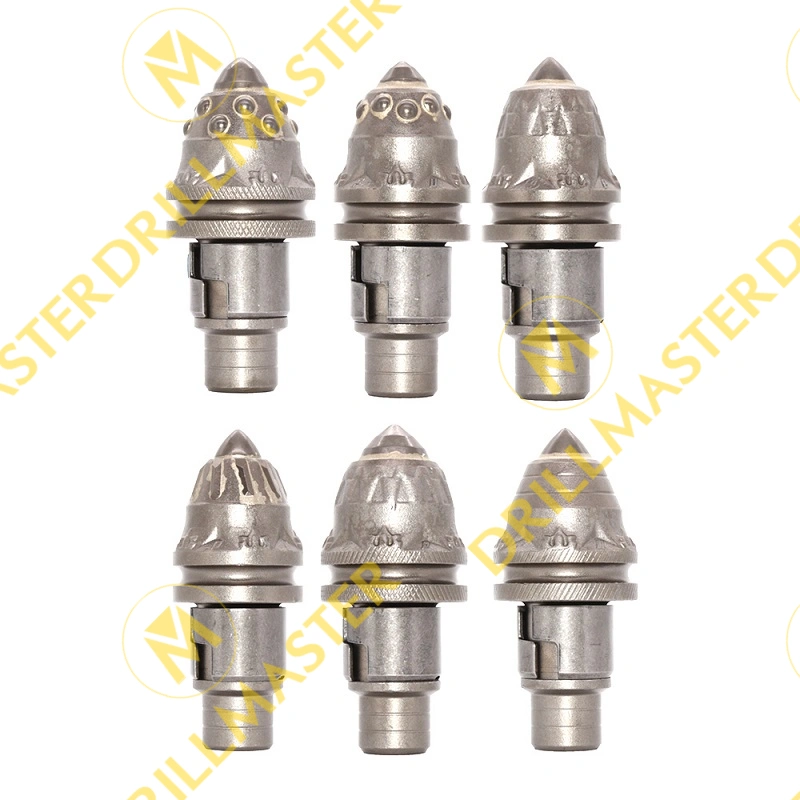
- Soil cutting teeth
Different tooth geometries are designed for different ground conditions.
For example:
- Soft soil and clay: The focus is on soil cutting and spoil removal, so the tooth geometry can be relatively sharp.
- Sand and gravel: The teeth need to balance cutting performance with impact resistance.
- Strongly weathered rock: Good wear resistance and impact resistance become more important.
- Hard rock: Greater emphasis is placed on the overall impact resistance of the carbide tip, tooth body, and tooth holder.
4. Tooth Holder System
With Bullet Teeth in Pile Drilling, it is important not to look at the tooth alone.
In practice, the cutting system typically consists of: Cutting tooth + Tooth holder + Welding/Fixing structure + Drilling tool body
Because rotary drilling rigs can generate very high torque and down pressure, even a highly wear-resistant tooth can fail if the tooth holder does not have sufficient strength. Potential problems include:
Cracking of the tooth holder
- Tooth loss
- Tooth holder wear
- Tooth jamming
- Damage to the drilling bucket body or base plate
Therefore, the design of pile drilling tools generally needs to consider the overall load distribution and interaction between the tooth tip, tooth holder, and drilling tool body.
5. Applications
Milling Picks: The Focus Is on “Milling Away”
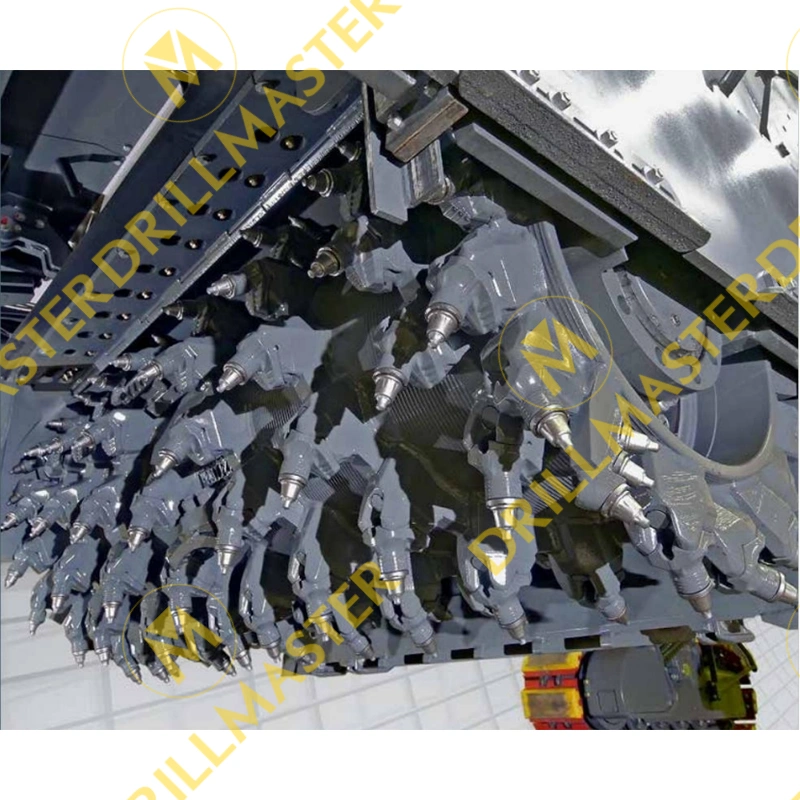
Typical applications include:
- Asphalt pavement milling
- Concrete surface treatment
- Road surface rehabilitation
- Continuous mining
- Continuous cutting in tunnels and underground construction
- Certain rock milling applications
A key characteristic is that the material is already exposed in front of the equipment. The equipment primarily performs continuous cutting on the material surface or working face.
Bullet Teeth in Pile Drilling: The Focus Is on “Drilling Into”
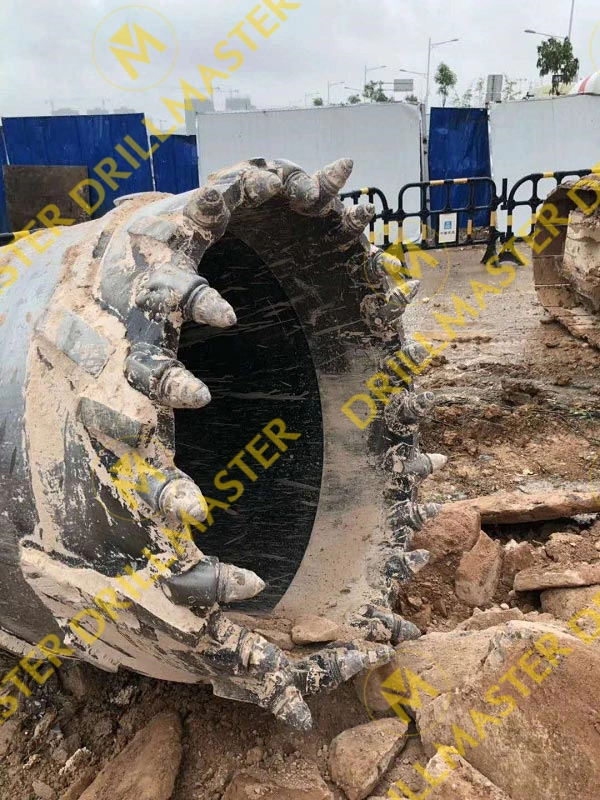
Typical applications include:
- Building pile foundations
- Bridge foundations
- High-speed railway and railway bridge foundations
- Metro and underground construction
- Wind turbine foundations
- Port and marine infrastructure foundations
- Large-diameter bored piles
- Deep foundation engineering
6. “Final Goal”
Milling picks:Remove material from a surface or working face.
Bullet teeth in pile drilling:Cut and break the ground to create a borehole.
Contact Us