E-mail: [email protected] Whatsapp: +8613647327093 Tel: +86-731-8403-0163
E-mail: [email protected] Whatsapp: +8613647327093 Tel: +86-731-8403-0163
In foundation construction, Horizontal Directional Drilling (HDD), and various slurry circulation projects, the desander plays a critical role in maintaining efficient and stable operations.
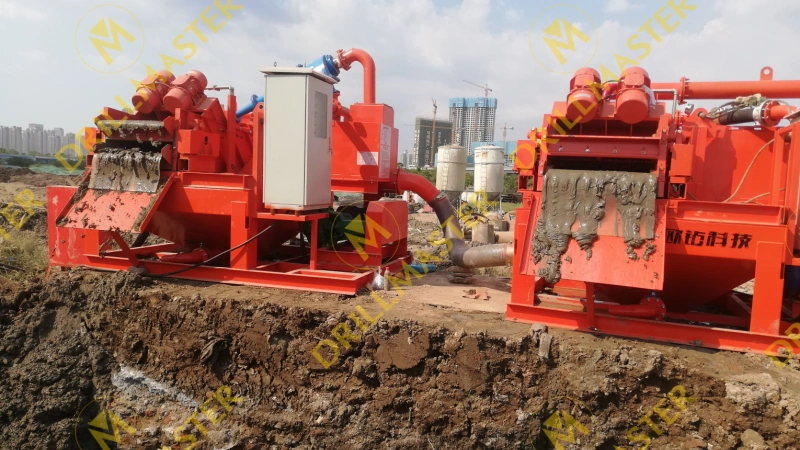
However, in real-world equipment selection, two common mistakes often occur:
Focusing only on capacity (m³/h), assuming “bigger is better”
Pursuing ultra-fine separation, assuming “finer means more professional”
The result? Equipment that looks powerful on paper but performs poorly on site—either unable to keep up with drilling progress or suffering from clogging and reduced efficiency.
The correct logic is simple:
Soil Condition → Parameter Matching → Optimal System Efficiency
In other words, capacity and separation size are not isolated specs—they are direct responses to ground conditions.
2.1 The Nature of Capacity
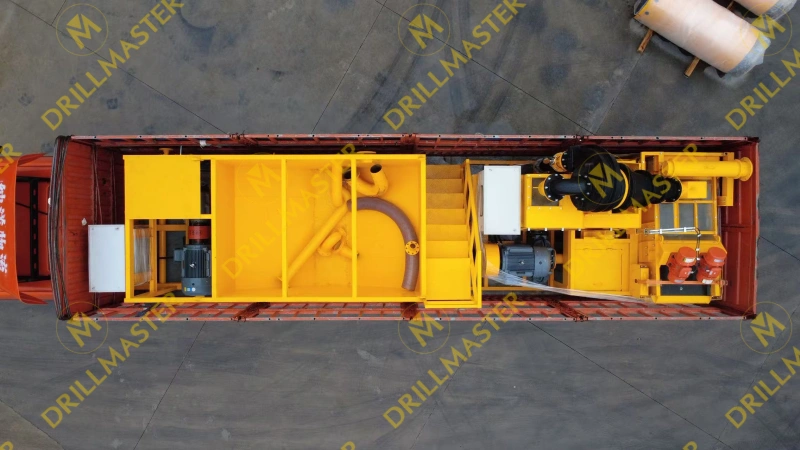
Capacity (m³/h) refers to the volume of slurry a desander can process per hour. It directly affects:
1) Slurry circulation efficiency
2) Continuity of drilling operations
3) Site cleanliness and overflow risks
Simply put, capacity defines the upper limit of your construction efficiency.
2.2 Problems with Oversized or Undersized Capacity
1) Oversized Capacity
Higher energy consumption and operating costs
Reduced separation efficiency due to insufficient retention time
Low equipment utilization
2) Undersized Capacity
Cannot keep up with drilling output
Slurry accumulation on site
Potential downtime and delays
2.3 The Right Matching Logic
Capacity selection should be based on:
Drilling speed
Hole diameter (cuttings volume)
Slurry circulation system
Project schedule
Practical rule:
Capacity ≈ Actual slurry generation × 1.2–1.5 (safety factor)
This ensures both efficiency and system stability.
3.1 What Is Separation Size?
Separation size (μm) refers to the smallest particle size a desander can effectively remove, determined by:
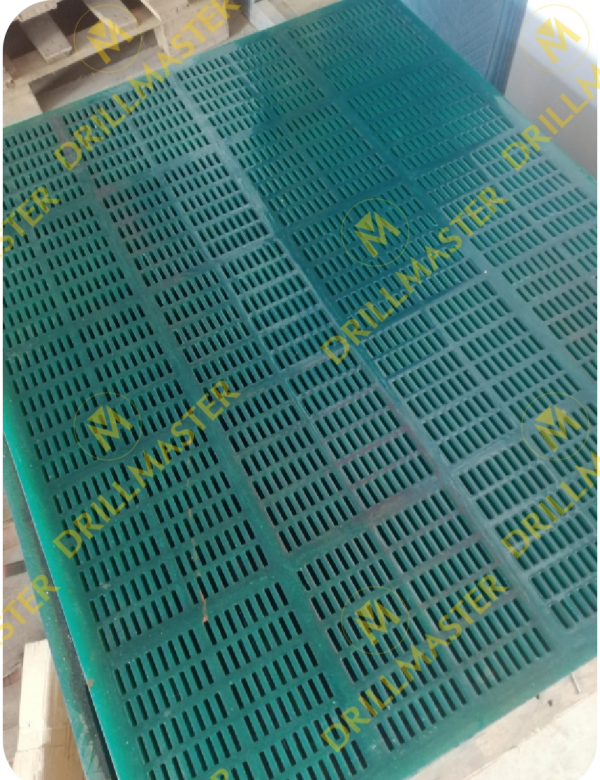
1) Screen mesh size
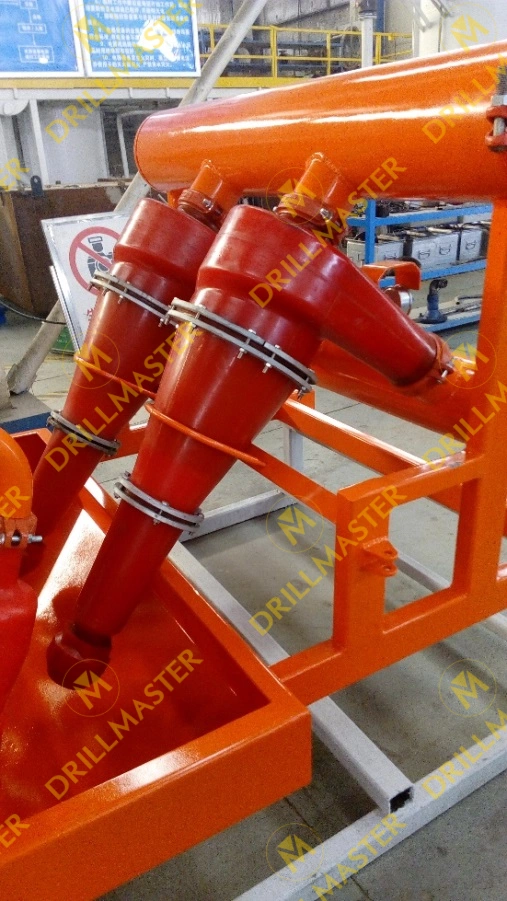
2) Hydrocyclone cut point
3) System pressure and flow rate
It directly impacts slurry cleanliness.
3.2 Finer vs. Coarser: It’s About Balance
1) Too Fine Separation
Higher pressure requirements
Increased risk of screen clogging
Reduced overall capacity
2) Too Coarse Separation
High sand content in slurry
Poor borehole quality
Increased downstream risks
3.3 The Real-World Balance
In practice:
Optimal performance comes from balancing efficiency and precision
For example:
Drilling phase → prioritize capacity
Cleaning phase → prioritize finer separation
Soil conditions determine particle size distribution in slurry, which directly affects desander selection.
4.1 Sand and Gravel Formations
Characteristics:
1) High sand content
2) Coarse particles
3) Strong abrasion
Recommended Setup:
1) Larger capacity
2) Relatively coarser separation size
Key Requirements:
1) Wear-resistant design
2) High-impact durability
4.2 Clay and Silt Formations
Characteristics:
1) Fine particles
2) High viscosity
3) Tendency to agglomerate
Recommended Setup:
1) Moderate capacity
2) Finer separation size
Risks:
1) Screen clogging
2) Reduced hydrocyclone efficiency
Requires strong anti-clogging and fine separation capability.
4.3 Mixed Formations (Sand + Clay)
Characteristics:
1) Highly variable conditions
2) Frequent changes in particle composition
Recommended Setup:
1) Adjustable system
2) Multi-stage screening + hydrocyclone combination
Core Capability:
Flexible adjustment of separation performance
This is where equipment adaptability matters more than raw specs.
4.4 Rock and Hard Formation Drilling
Characteristics:
1) Wide particle size distribution
2) Presence of large cuttings
Recommended Setup:
1) High-capacity system
2) Multi-stage separation (coarse + fine)
Key Point:
Prevent large particles from entering fine separation stages
Many failures in desander selection are not due to the machine itself—but due to poor system integration.
5.1 The Desander’s Role in the System
A desander is just one part of the overall slurry system:
- Drilling rig (generates slurry)
- Slurry pump (provides flow and pressure)
- Mud tank (buffer and storage)
- Desander (core separation unit)
5.2 Common Mistakes
- Optimizing only one piece of equipment
- Ignoring flow and pressure balance
Result: good specs, poor field performance
5.3 The Right Approach
Selecting a desander means designing a complete slurry circulation system. Only system-level matching ensures stable and efficient operation.
6.1 Three-Step Method
Step 1: Identify Soil Type
Sand / Clay / Mixed
Step 2: Evaluate Equipment
- Rig model
- Hole diameter and depth
Step 3: Define Priority
Efficiency vs. precision
6.2 Simplified Selection Formula
Capacity ≈ Cuttings volume × 1.2–1.5
Separation size ≈ dominant particle size× adjustment factor
This approach works well for most practical projects.
In real projects, conditions vary significantly:
- Soil composition
- Construction methods
- Equipment combinations
This means: A single standard configuration rarely fits all scenarios
What Matters More?
- Adjustable screen systems
- Multi-stage hydrocyclone design
- Modular configuration
- Customizable parameters
The best solution is not the biggest machine, but the best-matched system.
Why does the same desander perform differently across projects?
The answer is simple: Equipment parameters are a reflection of soil conditions
High efficiency ≠ maximum capacity
High precision ≠ finest separation
The real goal is to find the optimal balance between efficiency and precision under specific ground conditions.
And only suppliers who truly understand field applications can deliver:
Not just equipment—but the right solution for your job
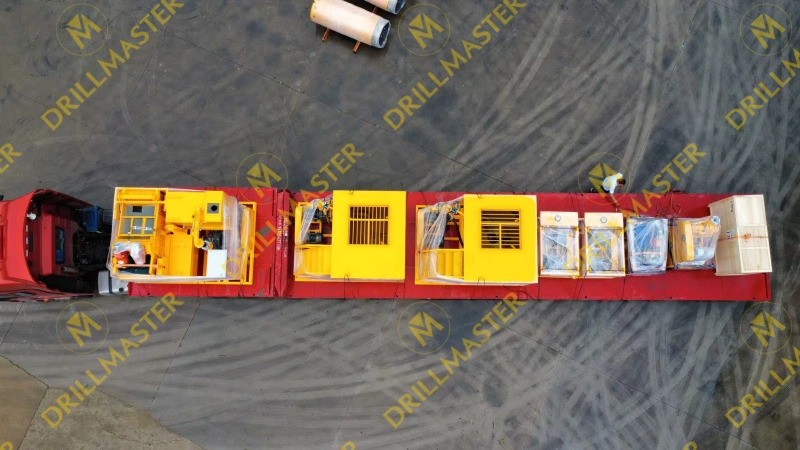
Welcome to contact us if any needs on desander solutions.
Drillmaster Powers Your Foundation!
WhatsApp: +8613647327093

Email: [email protected]
Contact Us