E-mail: [email protected] Whatsapp: +8613647327093 Tel: +86-731-8403-0163
E-mail: [email protected] Whatsapp: +8613647327093 Tel: +86-731-8403-0163
When starting a foundation project, contractors often need to decide between CFA piling and rotary drilling. Both methods are widely used for deep foundation construction, but they have different advantages depending on soil conditions, project requirements, and construction environments.
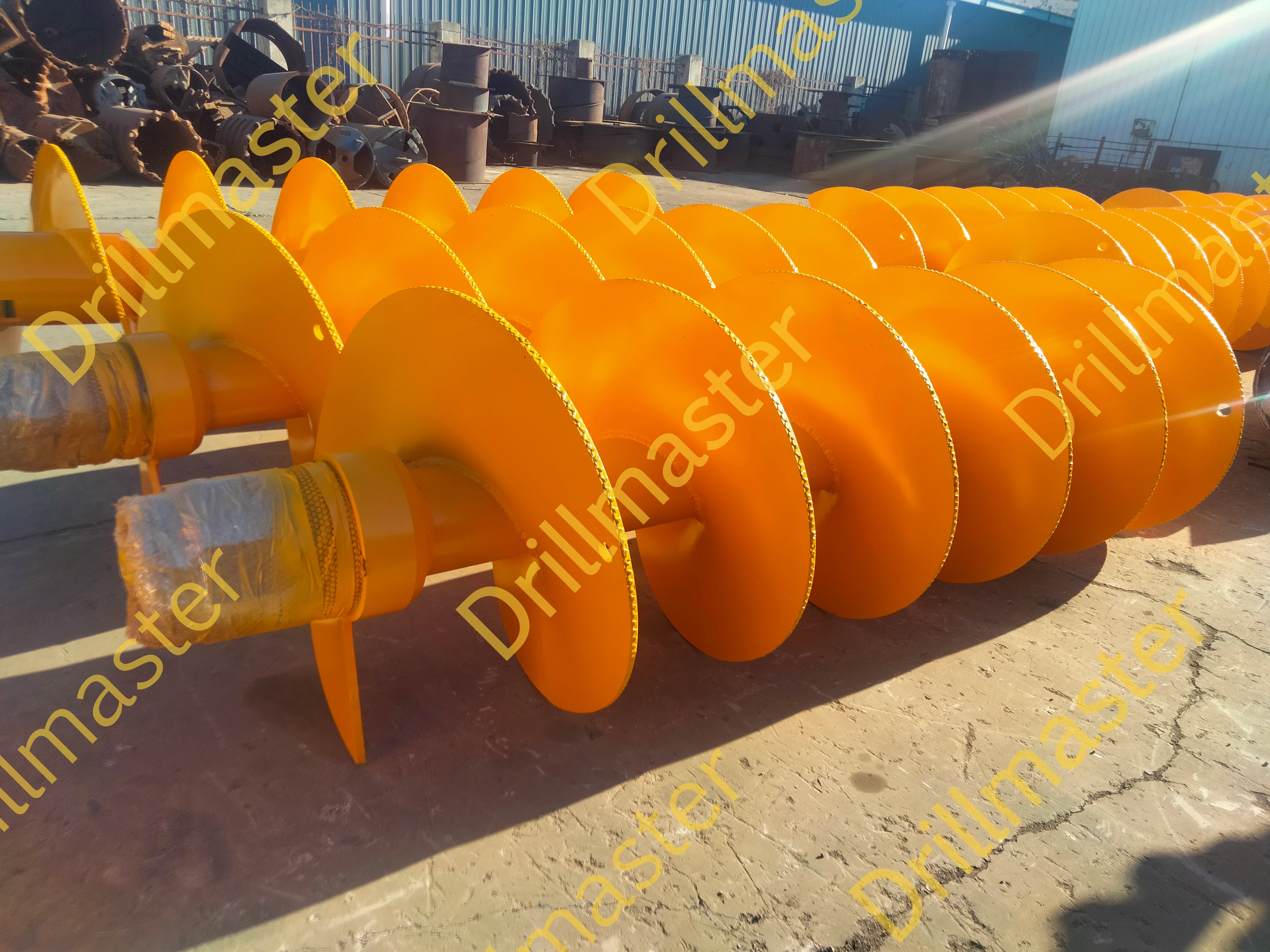
1.1 Definition of CFA Piling
Continuous Flight Auger (CFA) piling is a bored piling method where a continuous auger drills into the ground, and concrete is pumped through the hollow stem during auger withdrawal.
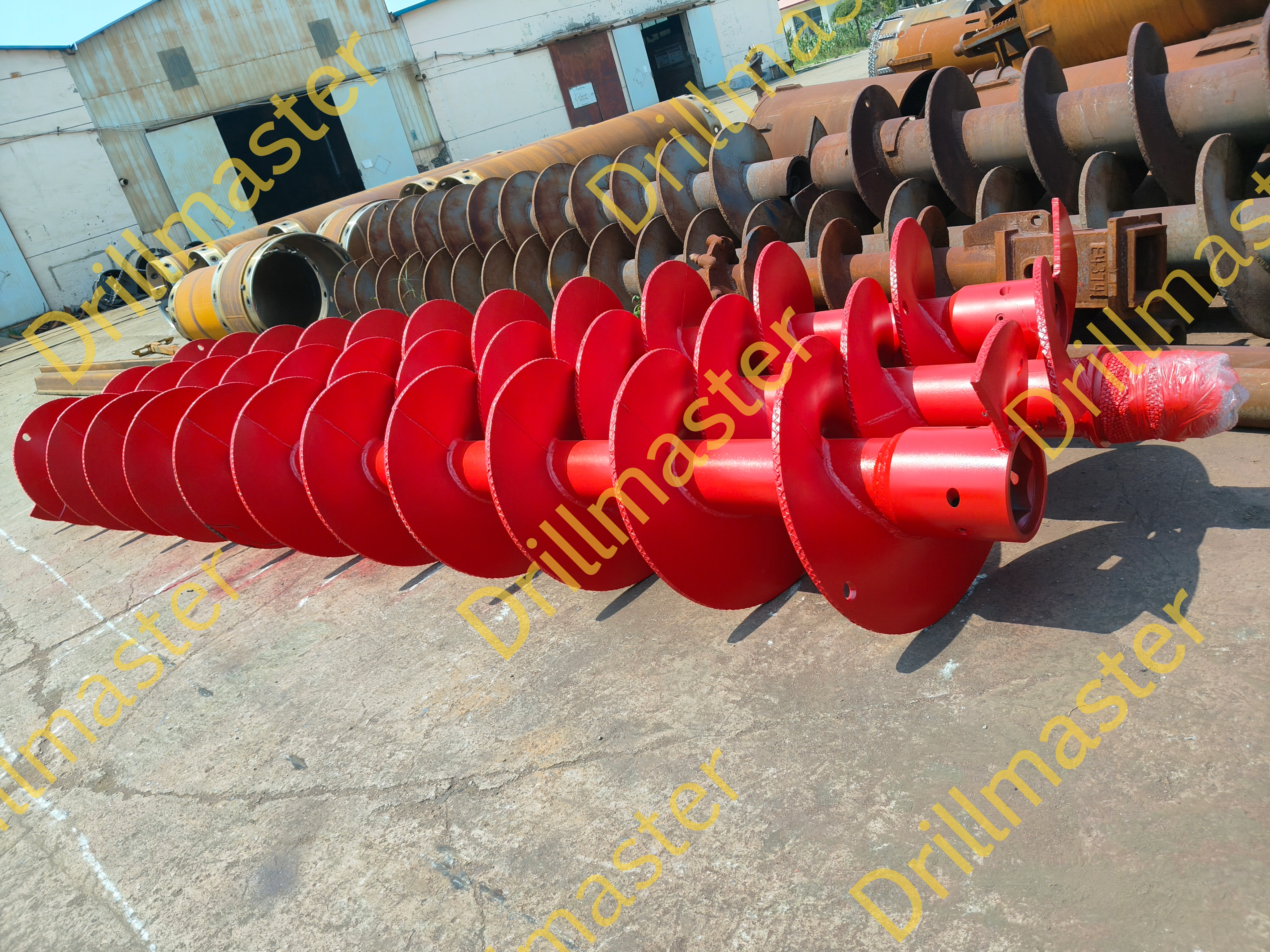
1.2 How CFA Piling Works
Step 1: Positioning the CFA rig
Step 2: Drilling with continuous flight auger
Step 3: Reaching designed depth
Step 4: Pumping concrete through hollow auger stem
Step 5: Extracting auger while maintaining concrete pressure
Step 6: Installing reinforcement cage
1.3 Advantages of CFA Piling
- Extremely high construction efficiency:
CFA piling integrates drilling and concrete pouring into a single continuous operation. There is no need for additional procedures such as casing installation or slurry wall protection. The installation speed of each pile is very fast, making it particularly advantageous for projects with a large number of closely spaced piles.
- Low environmental impact:
CFA construction generates very low vibration and noise, making it highly suitable for noise-sensitive urban environments such as residential areas, hospitals, and schools. In addition, most soil conditions do not require slurry stabilization, avoiding the challenges associated with handling large volumes of waste slurry.
- Reliable pile quality:
CFA is a non-displacement pile method that causes minimal disturbance to surrounding soil, reducing the risk of damage to nearby underground utilities or existing foundations. Under suitable ground conditions, it can effectively minimize common defects such as borehole collapse and necking.
- Significant cost advantages:
Due to its simplified construction process and faster installation speed, CFA piling generally has lower direct construction costs compared with traditional piling methods.
1.4 Disadvantages of CFA Piling
- Limited adaptability to certain ground conditions:
CFA performs poorly in extremely hard soils and rock formations, making it difficult to penetrate obstacles such as boulders or old foundations. In very weak soils, defects such as necking may occur. In loose, water-saturated sandy soils, improper operation may result in excessive soil removal, also known as "soil mining."
- Limitations in depth and diameter:
The typical CFA pile depth is generally less than 30 meters, with pile diameters commonly ranging from 0.3 to 0.9 meters. Therefore, CFA is not suitable for ultra-deep or large-diameter pile foundation projects.
- Strict quality control requirements:
CFA requires precise monitoring of construction parameters such as concrete pressure and auger extraction speed. Improper operation may lead to pile defects. Since the reinforcement cage is inserted into freshly poured concrete ("wet insertion"), its positioning accuracy is affected by concrete workability and requires highly skilled operation.
- Generation of excavated spoil:
During CFA drilling, soil is brought to the surface by the auger, producing a significant amount of excavated spoil. Proper disposal is required, and costs can increase significantly when the soil is contaminated.
1.5 Applications of CFA Piling
- Urban Construction and Noise-Sensitive Environments:
CFA piling generates extremely low vibration and noise, making it an ideal solution for urban centers, residential areas, hospitals, schools, and other locations where noise and ground disturbance must be minimized. Since CFA does not require slurry stabilization, it avoids slurry-related pollution and is highly suitable for projects located close to existing structures or in areas with limited site space.
- Various Medium-Load Building Structures:
With typical pile diameters ranging from 300 mm to 1,200 mm and installation depths of up to 35 meters, CFA piles are mainly used for structures with medium to low load requirements, including multi-story residential buildings, office buildings, small and medium-sized bridge piers, noise barriers, and industrial facilities.
- Foundation Pit Support and Slope Stabilization:
CFA piles are an effective solution for retaining wall construction. They can be efficiently used to build continuous pile walls or secant pile walls for deep excavation support. In addition, CFA piles are commonly applied for slope reinforcement to improve stability and prevent geological hazards such as landslides.
- Large-Scale Group Pile Projects with Tight Schedules:
Thanks to its integrated "drilling and concreting" process, CFA piling offers extremely high construction efficiency. It provides significant advantages for projects requiring a large number of piles within a limited construction period.
- Specific Geological and Hydrogeological Conditions:
CFA piling is most suitable for areas with relatively stable soil conditions and moderate groundwater levels. It can effectively handle various ground conditions, including sandy soils, stiff clay, silt, gravel, and even soft rock formations.
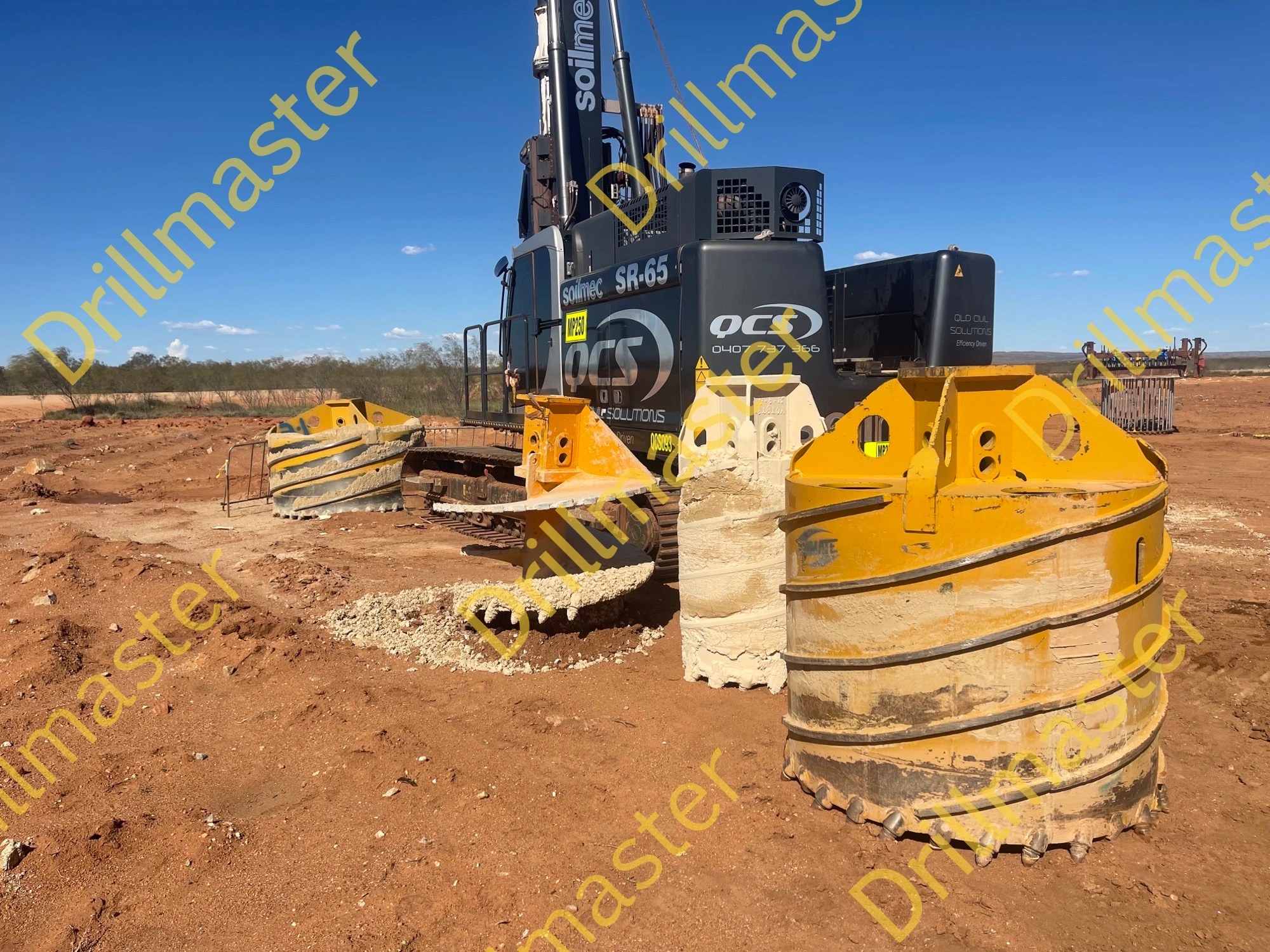
2.1 Definition of Rotary Drilling
Rotary drilling is a conventional deep foundation method using a rotary drilling rig with different drilling tools to excavate soil and rock.
2.2 How Rotary Drilling Works
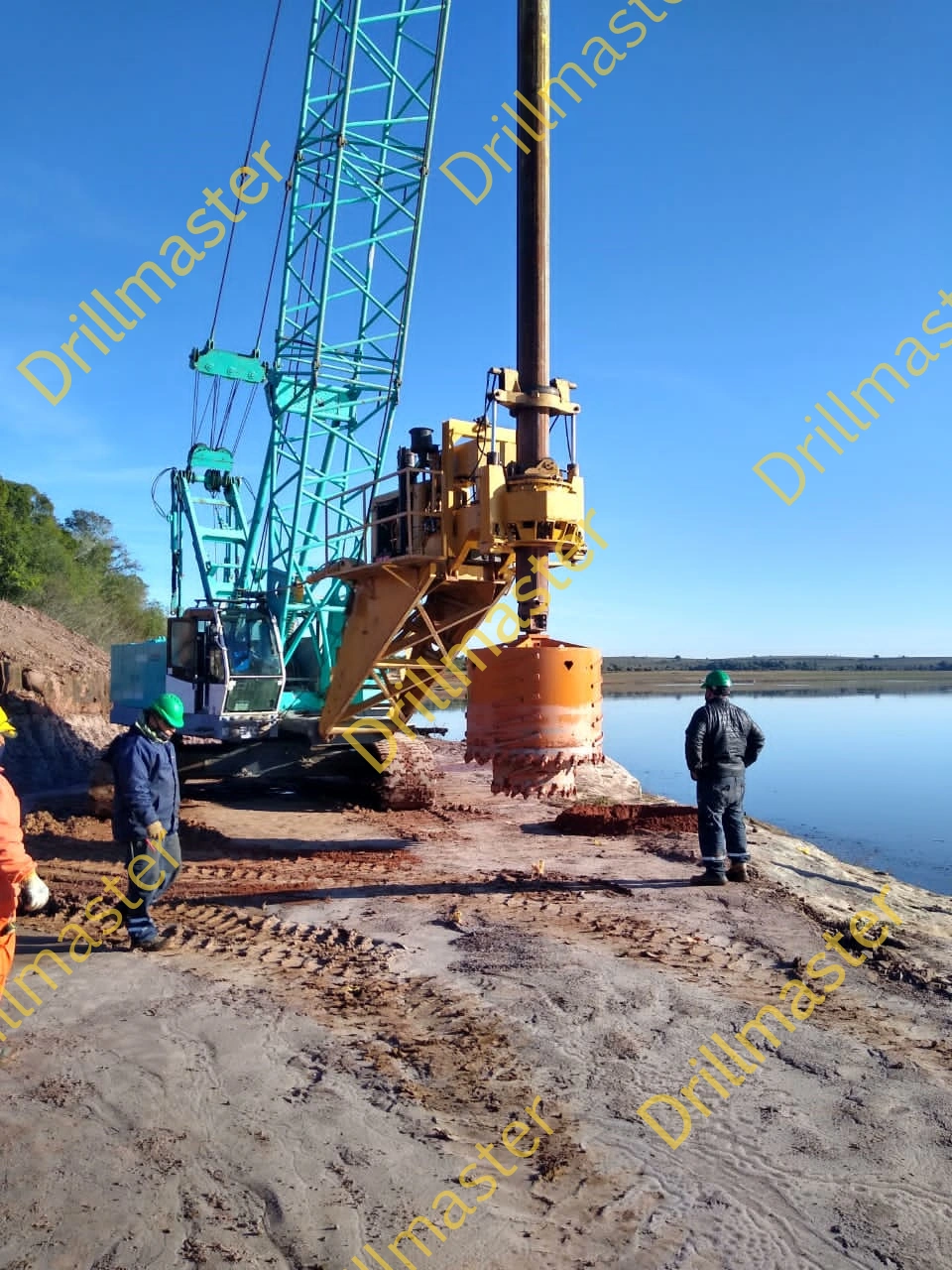
Step 1: Machine positioning
Step 2: Installing casing if required
Step 3: Excavating soil with drilling tools
Step 4: Removing spoil material
Step 5: Cleaning borehole
Step 6: Installing reinforcement cage
Step 7: Concrete pouring with tremie pipe
2.3 Advantages of Rotary Drilling
- Strong adaptability to various ground conditions:
Rotary drilling rigs provide high torque and crowd force. With different drilling tools, they can handle a wide range of geological conditions, including clay, sand, gravel, weathered rock, and hard rock. They offer significant advantages in complex geological environments.
- High single-pile bearing capacity:
Rotary drilling often creates a rough and irregular borehole surface, increasing pile shaft friction and improving load transfer performance. In addition, the small amount of sediment at the pile bottom allows better utilization of end-bearing capacity. Therefore, rotary drilled piles can achieve high bearing capacity and are widely used for high-rise buildings, large bridges, and other heavy-load projects.
- High-quality borehole formation:
Modern rotary drilling rigs are equipped with electronic control systems that provide precise control of positioning and verticality. The completed piles have good structural integrity and regular geometry, while borehole stability can be effectively maintained in sandy soils.
- Relatively environmentally friendly:
Compared with traditional percussion piling methods, rotary drilling produces less waste slurry and lower noise levels, making it widely recognized as a "green construction technology."
2.4 Disadvantages of Rotary Drilling
- More construction steps and slower speed:
Rotary drilling requires separate processes for drilling and concrete pouring. In hard formations, drilling speed can decrease significantly, and deep-hole operations require additional time for lifting, unloading, and cleaning drilling tools. Overall productivity is usually lower than CFA piling.
- Higher construction costs:
In complex ground conditions, rotary drilling often requires slurry stabilization or long casing systems, increasing material, equipment, and disposal costs. The equipment investment and maintenance expenses are also relatively high.
- Potential construction risks:
In hard geological conditions, rotary drilling rigs may encounter problems such as stuck tools, buried drilling buckets, or drill rod damage, which can delay construction schedules. Improper slurry management may also result in borehole instability or collapse.
- Dependence on slurry management:
In soft and unstable formations, rotary drilling relies on high-quality slurry to maintain borehole stability. Slurry preparation, circulation, and recycling are critical management processes. Poor slurry control can negatively affect borehole quality and increase environmental impact.
2.5 Applications of Rotary Drilling
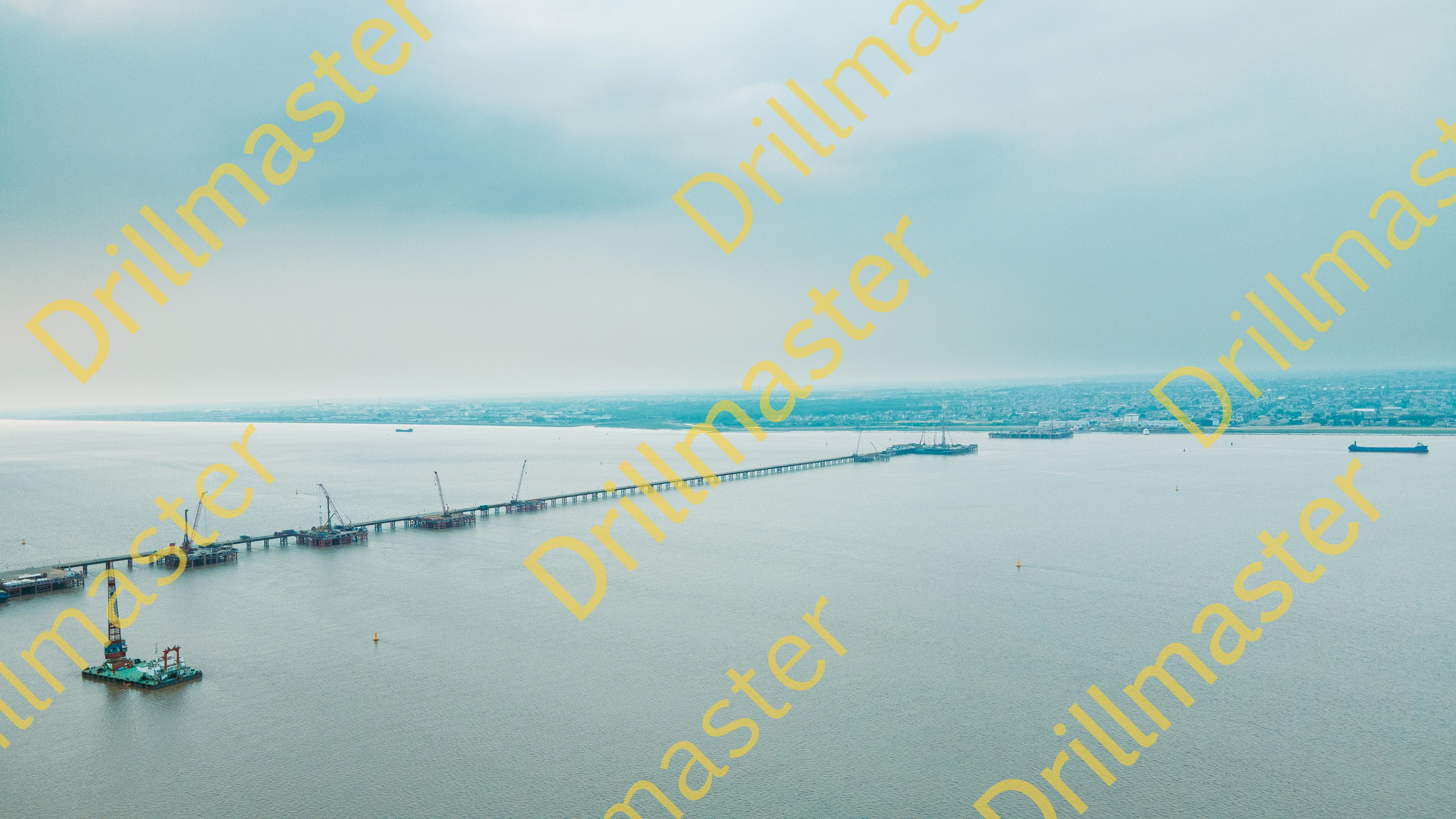
- Ultra-Large Structures with High Load Requirements:
When a project requires extremely high single-pile bearing capacity, rotary drilled piles are often the preferred choice. With a wide range of pile diameters from 600 mm to 3,000 mm and drilling depths that can exceed 79.5 meters, rotary drilling is widely used for structures with demanding foundation requirements, including super high-rise buildings, large bridges, skyscrapers, and other heavy-load applications.
- Complex and Variable Geological Conditions:
This is one of the key advantages of rotary drilling technology. Unlike CFA piling, rotary drilling can handle a wide variety of challenging ground conditions, including:
1)Hard rock and weathered rock formations
2)Gravel, cobble soil, and fill materials
3)Underground obstacles such as boulders and old foundations
4)Deep soft clay layers and high groundwater conditions, which can be addressed through technologies such as long casing systems
5)Rock-filled areas and reclaimed ground
- Projects Requiring High Quality and Precision Control:
Modern rotary drilling rigs are equipped with advanced electronic control systems that enable precise control of borehole position, verticality, and drilling depth. Rotary drilling provides significant advantages in applications requiring strict verticality tolerances, such as retaining structures and secant pile walls.
- Large-Scale Infrastructure Projects:Due to its strong adaptability to complex geological conditions and high load-bearing capacity, rotary drilling is widely used in major infrastructure projects, including ports, water conservancy projects, water parks, and renewable energy industrial parks.
| Category | CFA Piling | Rotary Bored Piling |
| Typical Projects | Urban residential buildings, small to medium‑span bridges, industrial plants, foundation pit support | Super high‑rise buildings, large‑span bridges, wharves / docks, hydraulic engineering |
| Core Strengths Leveraged | Speed (tight‑schedule group pile projects), environmental friendliness (sensitive urban areas) | Bearing capacity (high‑load requirements), adaptability (complex ground conditions) |
| Geological Conditions | Soft soil, clay, sand, soft rock; low groundwater table | Almost all strata, including hard rock, boulders, soft soil with high water table |
| Pile Dimensions | Smaller diameter (<1.2 m), shallower depth (<35 m) | Very large diameter (up to 3 m), extremely deep (up to 80 m) |
Contact Us